

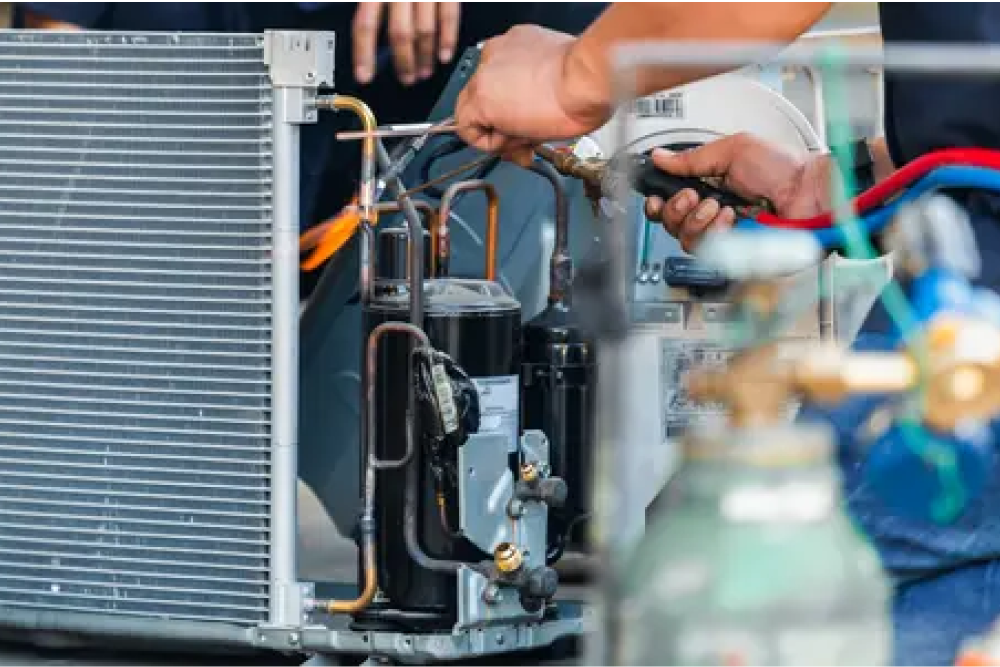
Regular HVAC maintenance is one of the most effective ways to keep cooling and refrigeration systems working reliably in homes, shops, and commercial spaces. It turns emergency breakdowns into planned visits and gives owners more control over comfort and running costs. When systems are inspected on a routine basis, technicians can catch issues early and keep performance stable during heavy‑use seasons.
Dust, heat, and continuous operation put extra stress on components such as compressors, motors, and controls. Without cleaning and inspection, these parts have to work harder than they were designed to, which can shorten their lifespan. A structured maintenance plan helps remove this extra load and keeps equipment operating closer to its original design condition.
Maintenance is not only about the big, visible parts. Small items like capacitors, contactors, valves, and sensors also play a major role in how smoothly a system starts, runs, and stops. Replacing weak or failing components in time can prevent sudden stoppages and protect more expensive equipment from damage. This kind of preventative approach usually costs less than repeated emergency repairs.
For businesses, especially those that depend on consistent indoor conditions, planned servicing directly supports productivity and customer experience. Restaurants, supermarkets, offices, and warehouses all rely on predictable temperature and safe storage conditions. A well‑maintained HVAC or refrigeration system helps avoid product loss, discomfort, and unplanned shutdowns during busy periods.
Working with a supplier and service team that understands both the technical and practical sides of HVAC makes these benefits easier to achieve. They can recommend appropriate spare parts, advise on realistic service intervals, and keep a clear record of what has been done. Over time, this partnership turns maintenance into an organized, low‑stress part of running the property.
Key Advantages of a Professional HVAC Maintenance Plan
- Regular inspections reduce the likelihood of sudden breakdowns during peak summer or high‑demand periods.
- Clean coils, correct refrigerant levels, and smooth airflow help systems use less power to deliver the same comfort.
- Protecting compressors, motors, and controls from unnecessary strain helps delay costly replacements.
- Electrical connections, safety controls, and drainage are checked to reduce the risk of faults or water damage.
- Documented visits and part replacements make future troubleshooting faster and support better planning for upgrades.
A structured maintenance plan also creates transparency for owners and managers. They can see what has been serviced, which parts were changed, and what recommendations were made, instead of reacting only when something goes wrong. This clarity helps with budgeting and long‑term planning, because future costs become more predictable.
Ultimately, viewing HVAC care as an ongoing investment rather than a one‑time repair mindset brings the best results. When professional servicing, quality spare parts, and proper record‑keeping work together, cooling and refrigeration systems stay more dependable, more efficient, and better prepared for the conditions they face every day.
